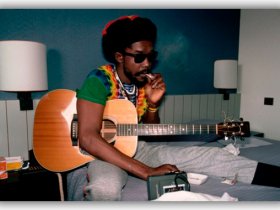

Peter Tosh’s first solo album for CBS Records, Legalize It, arrived in 1976 — two years after he left the Wailers. The title song, a blunt demand that authorities end the criminalisation of marijuana, became an anthem for Rastafarians and cannabis advocates worldwide, the Guardian records. The cover photograph showed Tosh in a ganja field, hoe in hand — a provocation CBS reportedly resisted but he insisted on keeping.
The record
Recorded in Jamaica with producer Joe Gibbs and the rhythm section of Sly Dunbar and Robbie Shakespeare, Legalize It paired the title track with “Burial,” “Ketchy Shuby,” “Why Must I Cry” and a remake of the Wailers-era “Brand New Second Hand,” among others, per Discogs. AllMusic calls it “one of the best albums to come out of Jamaica,” noting Tosh’s “unique vocal style” and uncompromising lyrics. The set reached American listeners on the CBS and Mango imprints and established him as Marley’s most formidable peer on the international stage.
More than music
Tosh treated legalisation as a human-rights issue, not a lifestyle choice. The Jamaican press dubbed him the “controversial Wailer” after the song’s release, the UPI obituary records, and he never moderated the message. “Legalize it, don’t criticize it,” the song urged; the establishment heard him anyway.
Why it matters
Legalize It is the template for everything Tosh did afterward: militant, melodic, commercially savvy and utterly unwilling to compromise. The CBS deal gave him a platform; the album gave him a mission statement that outlived his lifetime.
Listen and dig deeper
- Play Legalize It in the Listen library, and browse Peter Tosh and Sly & Robbie.
- Previously: Tosh leaves the Wailers (1974). Next: Equal Rights (1977).
Sources: The Guardian — “At last, Peter Tosh gets a museum of his own” (David Katz, Nov 7, 2016); AllMusic — Legalize It review; Discogs — Legalize It master release; The New York Times — “Peter Tosh, 42, Reggae’s Star” (Jon Pareles, Sep 13, 1987).
Editor’s note: This entry is part of the JamaicansMusic online museum — a career timeline assembled from the archive. It is dated to the era it documents; every claim is drawn from the linked sources.