888 articles — page 37
 Music
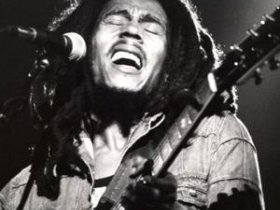
Music One Love Peace Concert: Bob Marley Comes Home and Joins the Hands of Michael Manley and Edward Seaga at the National Stadium
Lured back from London by rival gang leaders Claudie Massop and Bucky Marshall, who had made peace in a shared jail cell, Bob Marley headlines a 16-act bill on April 22, 1978. Shortly after midnight, during ‘Jamming’, he calls the Prime Minister and the Opposition Leader on stage and raises their clasped hands above his head. In June the United Nations gives him its Peace Medal of the Third World.
By JamaicansMusic Editorial
 Music
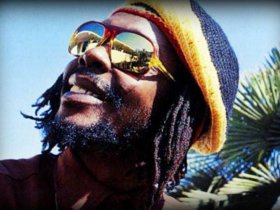
Music ‘Equal Rights’: Peter Tosh Demands Justice for the African Diaspora, 1977
One year after ‘Legalize It,’ Peter Tosh sharpens the blade. ‘Equal Rights’ pairs the title anthem with ‘African,’ ‘Downpresser Man’ and ‘Get Up, Stand Up’ — the Wailers song he co-wrote — in a set AllMusic calls one of the best reggae albums ever made. Militant, biblical and unbowed.
By JamaicansMusic Editorial
 Music
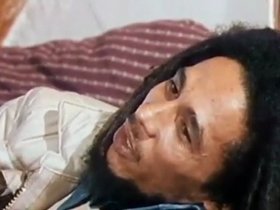
Music ‘Exodus’: Shot at Hope Road, Bob Marley Plays Smile Jamaica Two Days Later, Then Leaves for London and Records the Album of the Century
On December 3, 1976 gunmen enter 56 Hope Road and wound Bob Marley, Rita Marley and manager Don Taylor. On December 5 he plays a 90-minute set for some 70,000 at Smile Jamaica. Then he leaves. Recorded at Island’s Basing Street and Fallout Shelter studios in the first months of 1977, ‘Exodus’ is released on June 3, spends 56 straight weeks on the UK chart — and in 1999 Time names it the best album of the 20th century.
By JamaicansMusic Editorial
 Music
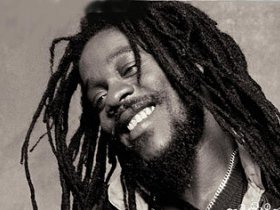
Music Wolves and Leopards: Dennis Brown’s Roots Turn and the Birth of ‘Here I Come,’ 1977
Recorded with Niney the Observer and Lee ‘Scratch’ Perry at the Black Ark, Wolves and Leopards marks Brown’s transformation from child star to full-fledged Rastaman. ‘Here I Come’ becomes his signature; ‘Wolf & Leopards’ condemns criminals who hide behind dreadlocks.
By JamaicansMusic Editorial
 Music
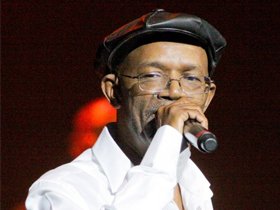
Music ‘One Step Ahead’: Zap Pow’s New Lead Singer Beres Hammond Cuts ‘Soul Reggae’ With Willie Lindo and Spends Three and a Half Months at No. 1
The ninth of ten children from Annotto Bay, St Mary, comes up through talent shows and a duet act with Cynthia Schloss, joins the horn-driven Zap Pow in 1975 and — asked by Aquarius Records to pick a single from his debut album — goes back into the studio and writes a new ballad instead. ‘One Step Ahead’ goes, in his words, ‘like a bolt to number one.’
By JamaicansMusic Editorial
 Music
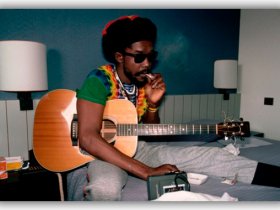
Music ‘Legalize It’: Peter Tosh Signs to CBS, Plants Ganja on the Cover and Goes Global, 1976
Two years after leaving the Wailers, Peter Tosh delivers his CBS debut — an album whose title track became a rallying cry for marijuana legalisation and whose cover photograph showed him tending a cannabis field. Produced with Joe Gibbs and backed by Sly & Robbie, ‘Legalize It’ announces the Stepping Razor as a solo force.
By JamaicansMusic Editorial
 Music
Music ‘Reggae Got Soul’: Toots and the Maytals Declare Their Gospel-R&B Lineage on Island, 1975
The title says what Toots Hibbert always was — a soul singer in a reggae band. On Island’s Mango imprint, Reggae Got Soul packages the Maytals’ church-bred phrasing and hard Kingston rhythms for the album market at the peak of their touring years.
By JamaicansMusic Editorial
 Music
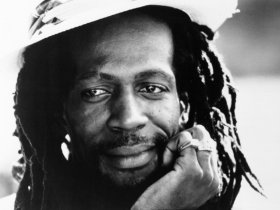
Music Gregory Isaacs Builds His Own House: African Museum, ‘My Only Lover’ and the First Hits, 1968–1974
A Fletcher’s Land teenager who lost out on his first sessions decides to produce himself. With Errol Dunkley he opens the African Museum label; ‘My Only Lover’ sketches the lovers rock template; Phil Pratt’s ‘All I Have Is Love’ and Alvin ‘GG’ Ranglin’s ‘Love Is Overdue’ make Gregory Isaacs a name Jamaica cannot ignore.
By JamaicansMusic Editorial
Music Tosh and Bunny Walk: The Wailers Split and Peter Tosh Goes Solo, 1974
After Lee Perry’s ‘Catch a Fire’ sides and the Island Records deal that reshaped the group around Bob Marley, Peter Tosh and Bunny Wailer quit the Wailers in 1974. Tosh keeps the militant fire — cutting for Perry, opening his own label and preparing the solo statement that becomes ‘Legalize It.’
By JamaicansMusic Editorial
 Music
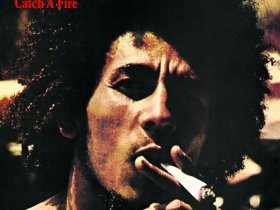
Music ‘Catch a Fire’: Stranded in London, The Wailers Take Chris Blackwell’s Advance, Go Home to Kingston and Make the Album That Takes Reggae to the World
Released by Island Records on April 13, 1973 in a hand-riveted Zippo lighter sleeve, ‘Catch a Fire’ is the first reggae album marketed like a rock record. Cut on eight-track at Dynamic, Harry J’s and Randy’s, then overdubbed at Basing Street by Wayne Perkins and John ‘Rabbit’ Bundrick, it sells 14,000 copies in its first weeks — and sets Bob Marley on the road out of Trench Town.
By JamaicansMusic Editorial
 Music
Music ‘Funky Kingston’: Chris Blackwell Signs Toots and the Maytals to Island and Takes Reggae to the Rock Audience, 1972
After Leslie Kong’s death, the Maytals become Toots and the Maytals on Island Records. Funky Kingston — recorded in Jamaica and mixed in London — is the album that puts Hibbert’s voice in front of the rock crowd Rolling Stone would later rank among the 500 greatest.
By JamaicansMusic Editorial
 Music
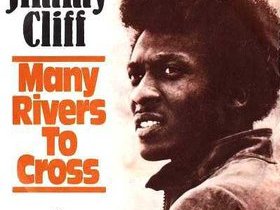
Music ‘Many Rivers to Cross’: The Spiritual That Carries Ivan — and Reggae — Across the Water, 1972
Written from Cliff’s struggles in England and first issued on his 1969 Trojan album, the hymn-like ballad becomes the emotional centre of The Harder They Come soundtrack — and one of the most covered songs in reggae history.
By JamaicansMusic Editorial
 Music
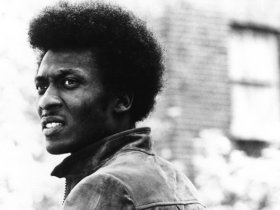
Music Ivanhoe Martin on Screen: The Harder They Come Premieres at the Carib Theatre, 1972
Perry Henzell casts Jimmy Cliff as a country boy cheated by the music business who turns outlaw — and a low-budget Jamaican crime film, shot over two years on Kingston streets, introduces reggae to audiences worldwide.
By JamaicansMusic Editorial
 Music
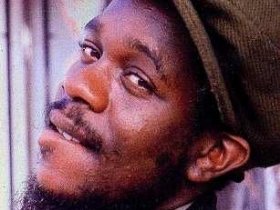
Music The Crown Prince of Reggae: Bob Marley’s Favourite Singer and a Title That Stuck
Bob Marley calls Dennis Brown the best reggae singer in the world and dubs him the Crown Prince. The nickname follows Brown from his teenage years at Studio One through three decades of recording — and outlives him.
By JamaicansMusic Editorial
Music ‘Pressure Drop’: A Leslie Kong Classic Becomes a Soundtrack Cornerstone, 1970
Toots Hibbert writes one of reggae’s most durable prayers against injustice — a Leslie Kong production that lands on The Harder They Come soundtrack and later earns a second life through punk and rock covers.
By JamaicansMusic Editorial
 Music
Music ‘Wonderful World, Beautiful People’: Cliff’s Trojan Masterpiece Opens the A&M Years, 1969
After a string of Leslie Kong hits and the 1967 set Hard Road to Travel, Jimmy Cliff delivers an eleven-track album on Trojan — retitled Wonderful World, Beautiful People in America — with ‘Many Rivers to Cross,’ ‘Vietnam’ and a title track destined for international charts.
By JamaicansMusic Editorial
Music ‘Monkey Man’: The Maytals Break Abroad and Leslie Kong Delivers Their First UK Chart Single, 1969
Produced by Leslie Kong on Beverley’s, ‘Monkey Man’ turns a lover’s warning into one of the Maytals’ defining hits — and their first real signal outside Jamaica, scraping the lower reaches of the British charts and setting up a decade of covers.
By JamaicansMusic Editorial
Music Child Prodigy: Dennis Brown’s ‘No Man Is an Island’ Breaks Through, 1969
At eleven, Dennis Brown scores his first hit with a cover of the Van Dykes’ ‘No Man Is an Island.’ Recorded at Studio One when he is twelve or thirteen, the song and its parent album announce a voice Jamaica will never tire of hearing.
By JamaicansMusic Editorial
Music ‘Do the Reggay’: Toots Hibbert Gives the Music Its Name, 1968
After ‘54-46 That’s My Number’ puts the Maytals in Kingston’s top rank, Toots Hibbert records a dance-craze single whose title compresses ‘streggae’ into ‘reggay’ — and, in his telling, coins the word that will name an entire genre.
By JamaicansMusic Editorial
Music From Chocomo Lawn to Brentford Road: Dennis Brown at Clement ‘Coxsone’ Dodd’s Studio One, 1968–1970
A nine-year-old who sang atop beer crates with Byron Lee and the Dragonaires follows the same path as Bob Marley to Studio One on Brentford Road. By twelve, Dennis Brown is cutting sides for Clement ‘Coxsone’ Dodd — the sessions that would yield No Man Is an Island and If I Follow My Heart.
By JamaicansMusic Editorial
 Music
Music ‘Simmer Down’: Five Trench Town Teenagers Walk Into Studio One and Leave as The Wailers
Coached by Joe Higgs under a mango tree on Second Street, Bob Marley, Bunny Livingston, Peter Tosh, Junior Braithwaite and Beverley Kelso record ‘Simmer Down’ for Coxsone Dodd with the Skatalites behind them. By February 1964 it is No. 1 in Jamaica — a warning to the rude boys, sung by a boy from the government yard.
By JamaicansMusic Editorial
 Music
Music Winston McIntosh Becomes Peter Tosh: The Wailers Take Shape in Trench Town, 1963
Raised by an aunt in Westmoreland and drawn to Kingston’s sound-system culture, Winston Hubert McIntosh joins Bob Marley and Bunny Livingston under Joe Higgs’s mango tree. By 1963 the Teenagers are the Wailers — a trio whose harmonies, militant lyrics and Studio One sides will reshape Jamaican music.
By JamaicansMusic Editorial
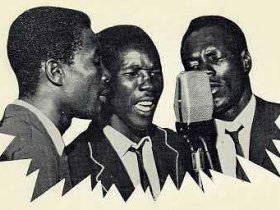
Music The Maytals Take Shape in Kingston: Toots Hibbert, Raleigh Gordon and Jerry Matthias Form a Vocal Trio, 1962
Frederick ‘Toots’ Hibbert leaves May Pen for Trench Town, meets Henry ‘Raleigh’ Gordon and Jerry Matthias, and puts together the harmony group that will carry his voice from ska through rocksteady into reggae. First called the Vikings, then the Maytals — a name borrowed in part from his home town.
By JamaicansMusic Editorial
Music ‘Hurricane Hattie’: James Chambers Becomes Jimmy Cliff and Leslie Kong Gets His First No. 1, 1962
A Somerton teenager who renames himself after the cliffs he wants to climb walks into Beverley’s with a ballad too slow for the charts. Derrick Morgan sends him back with a ska warning named for the 1961 storm — and Leslie Kong’s label has its first monster hit.
By JamaicansMusic Editorial