888 articles — page 36
 Music
Music ‘Up 2 Di Time’: Vybz Kartel Breaks Through with Early Hits and a Debut That Announces the Teacha, 2003
Adidja Palmer — still building the Vybz Kartel name under Bounty Killer’s Alliance — lands his first major album in late 2003. Tracks like ‘Sweet to the Belly’ and ‘Most High’ signal a lyricist who could switch from slackness to consciousness in a single verse, and dancehall begins to take notice.
By JamaicansMusic Editorial
 Music
Music ‘The Rebel Gets Honoured’: Jimmy Cliff Invested With Jamaica’s Order of Merit, 2003
On National Heroes Day at King’s House, James Chambers — singer, songwriter, actor — receives the third-highest honour in the Jamaican honours system, joining a roster limited to fifteen living recipients.
By JamaicansMusic Editorial
 Music
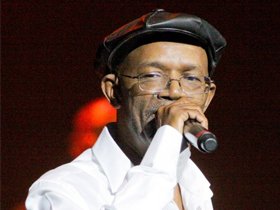
Music ‘Music Is Life’: Beres Hammond Earns His First Grammy Nomination as the VP Records Years Make Him Lovers Rock’s Elder Statesman
From ‘Love From a Distance’ (1996) through ‘A Day in the Life’ (1998), the Harmony House–VP partnership turns a hitmaker into an institution. ‘Music Is Life’ (2001) — with ‘They Gonna Talk’, ‘Rock Away’ and a Wyclef Jean duet — is nominated for Best Reggae Album at the 44th Grammy Awards on February 27, 2002, alongside Luciano and two Marleys. Damian Marley’s ‘Halfway Tree’ wins.
By JamaicansMusic Editorial
 Music
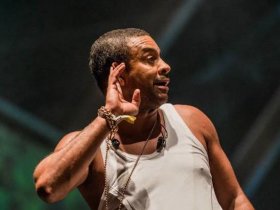
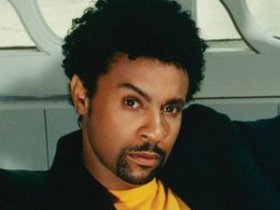
Music Hot Shot: Shaggy’s MCA Album Tops the Billboard 200 After 26 Weeks on the Chart, 2001
Released in August 2000, Hot Shot entered the Billboard 200 at No. 87 and climbed for six months before displacing Jennifer Lopez’s J.Lo at No. 1 in February 2001 — the slow-burn blockbuster that made Shaggy the biggest-selling Caribbean act on the American albums chart of the 21st century.
By JamaicansMusic Editorial
 Music
Music ‘It Wasn’t Me’: Shaggy and RikRok Top the Billboard Hot 100 and Earn a Grammy Nomination, 2001
The Sting International-produced confession anthem from Hot Shot dethrones Destiny's Child's 'Independent Women' for two weeks at No. 1 on the Hot 100 in February 2001 — and earns Shaggy his only nomination outside Best Reggae Album at the 44th Grammys.
By JamaicansMusic Editorial
 Music
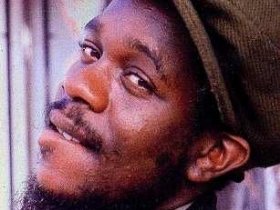
Music The Crown Prince Falls Silent: Dennis Brown Dies in Kingston, 1 July 1999
Dennis Emmanuel Brown dies in Kingston on 1 July 1999, aged 42, from a collapsed lung after respiratory failure. Prime Minister P. J. Patterson and Opposition Leader Edward Seaga speak at a three-hour funeral; Jamaica loses its most prolific hit-maker.
By JamaicansMusic Editorial
 Music
Music Boombastic: Shaggy Wins His First Grammy for Best Reggae Album, 1996
At the 38th Annual Grammy Awards on 28 February 1996, Shaggy takes home Best Reggae Album for Boombastic — the Virgin set whose title track had already topped the UK chart and cracked the American Top 10 after a Levi’s jeans campaign.
By JamaicansMusic Editorial
Music ‘Mampie’ and ‘Big Up’: Shaggy’s Ma Dog Dancehall Debut on the Brooklyn Circuit Before Boombastic, 1995
Long before the Levi’s advert and the Grammy, Orville Burrell was a Flatbush toaster cutting dubplates with Sting International — ‘Mampie’ and ‘Big Up’ topped New York reggae radio, and by 1995 Virgin had the ma dog on a global album.
By JamaicansMusic Editorial
 Music
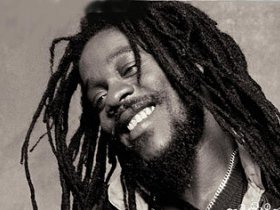
Music Grammy Nomination: Dennis Brown’s Light My Fire Earns a Best Reggae Album Nod, 1994
Released in May 1994 on Heartbeat/Rounder, Light My Fire earns Dennis Brown his first solo Grammy nomination for Best Reggae Album at the 37th Annual Grammy Awards — recognition for a catalogue that already spanned more than seventy-five albums.
By JamaicansMusic Editorial
 Music
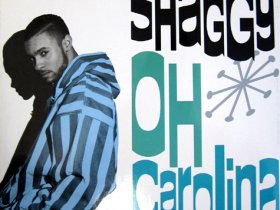
Music ‘Oh Carolina’: Shaggy and Sting International Reignite a Ska Classic for the Dancehall Age, 1993
Produced by Shaun Pizzonia — Sting International — Shaggy's dancehall remake of the Folkes Brothers' 1960 ska landmark tops the UK Singles Chart for two weeks in March 1993, returns reggae to British mainstream radio, and launches a Brooklyn marine's global career.
By JamaicansMusic Editorial
 Music
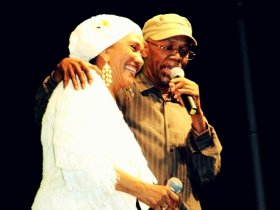
Music ‘Tempted to Touch’: Beres Hammond Comes Home to Penthouse, Trades a Riddim for Studio Time and Writes the Song of the Decade in Three Weeks
After Hurricane Gilbert and Tappa Zukie’s tougher ‘Putting Up Resistance’, Beres Hammond returns to Jamaica for good in 1990. At Donovan Germain’s Penthouse studio a chance deal — voice a tune on my riddim and the session time is yours — produces ‘Tempted to Touch’. Within a month it is No. 1 in New York and Kingston; ‘A Love Affair’ (1992) follows with ‘Is This a Sign’ and ‘Respect to You Baby’. The King of Lovers Rock is crowned.
By JamaicansMusic Editorial
 Music
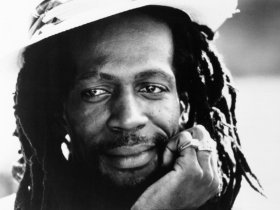
Music ‘Rumours’: Gregory Isaacs Walks Into Gussie Clarke’s New Digital Studio and Walks Out With the Dancehall Hit of 1988
The first song voiced at Music Works was meant for the Mighty Diamonds. When they could not find it, the Cool Ruler walked through the door. ‘Rumours’ and the album ‘Red Rose for Gregory’ put a 1970s lovers rock singer at the top of digital dancehall — and lent its riddim to J.C. Lodge’s ‘Telephone Love’.
By JamaicansMusic Editorial
 Music
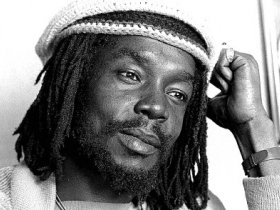
Music Stepping Razor Silenced: Peter Tosh Murdered in Kingston Home Invasion, 11 September 1987
Peter Tosh was shot and killed during a robbery at his home in Kingston on Friday, 11 September 1987. The reggae pioneer was 42. UPI and the Washington Post reported the killing; Jamaica lost its most militant voice and reggae lost a founding member of the Wailers.
By JamaicansMusic Editorial
 Music
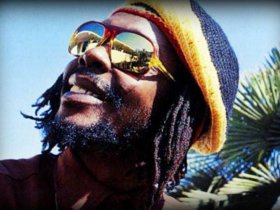
Music ‘No Nuclear War’: Peter Tosh’s Final Album Wins the Grammy for Best Reggae Recording, 1987
Released months before his death, ‘No Nuclear War’ is Peter Tosh’s last studio statement — a plea against atomic weapons and apartheid that won the Grammy for Best Reggae Recording at the 30th Annual Grammy Awards. The Stepping Razor’s final bow came with the Recording Academy’s highest reggae honour.
By JamaicansMusic Editorial
 Music
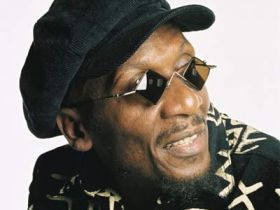
Music Cliff Hanger: Jimmy Cliff Wins the Second-Ever Reggae Grammy, 1986
After a run of Columbia albums with a pop sheen, Cliff Hanger takes the Best Reggae Recording prize at the 28th Annual Grammy Awards — beating Judy Mowatt, Ziggy Marley, Burning Spear and the Blue Riddim Band.
By JamaicansMusic Editorial
 Music
Music ‘What One Dance Can Do’: Beres Hammond Founds Harmony House, Crosses Into Dancehall and Lands His Biggest Jamaican Hit
Tired of being paid in promises, the balladeer starts his own label in 1985 and puts out two reggae singles: the self-produced ‘Groovy Little Thing’ and, with Willie Lindo, ‘What One Dance Can Do’. Both top the Jamaican chart and enter the British reggae charts; Audrey Hall’s answer record goes to No. 2 in the UK. Then a 1987 home invasion sends him to New York — and, with Maxi Priest, to ‘How Can We Ease the Pain’.
By JamaicansMusic Editorial
 Music
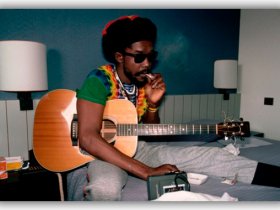
Music ‘Mama Africa’: Peter Tosh Returns to His Roots on EMI, 1983
Five years after ‘Bush Doctor,’ Peter Tosh delivers a love letter to the continent. ‘Mama Africa’ pairs the title anthem with ‘Not Gonna Give It Up’ and a cover of ‘Johnny B. Goode’ — a set that finds the Stepping Razor looking homeward while the dancehall era gathers speed in Kingston.
By JamaicansMusic Editorial
 Music
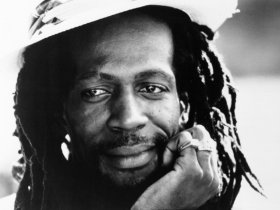
Music ‘Night Nurse’: Gregory Isaacs Signs to Island Records, Records With the Roots Radics at Tuff Gong and Reaches the UK Top 40
A year after Bob Marley’s death, Chris Blackwell’s Island label signs the Cool Ruler. Cut at Tuff Gong with the Roots Radics and mixed at Compass Point, ‘Night Nurse’ becomes Gregory Isaacs’s biggest seller and its title track a club standard. Then, at the peak, a prison sentence in Kingston — and the album he wrote about it, ‘Out Deh!’.
By JamaicansMusic Editorial
 Music
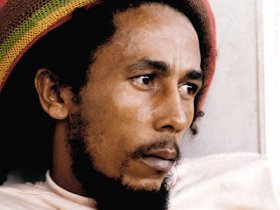
Music Robert Nesta Marley, O.M., 1945–1981: Jamaica Buries Its Cultural Ambassador at Nine Mile After a State Funeral in the National Arena
Bob Marley dies at Cedars of Lebanon Hospital in Miami on Monday, May 11, 1981, aged 36, on his way home from a clinic in West Germany to receive the Order of Merit conferred a month earlier. His body lies in state at the National Arena on May 20–21; the state funeral blends Ethiopian Orthodox and Rastafari rites; Michael Manley and Edward Seaga shake hands for the first time since the Peace Concert. He is laid to rest in the St Ann hills where he was born.
By JamaicansMusic Editorial
Music Sitting and Watching: Dennis Brown and Sly & Robbie’s Taxi Label in the 1980s
A Sunday studio visit becomes ‘Sitting and Watching’ — recorded in one take for Sly Dunbar and Robbie Shakespeare’s Taxi label. Brown follows with ‘Have You Ever,’ ‘Hold On to What You Got’ and ‘Revolution,’ collected on the 1986 Taxi LP Brown Sugar.
By JamaicansMusic Editorial
Music Money in My Pocket: Dennis Brown’s Joe Gibbs Recut Conquers the UK Charts, 1979
Brown first cut ‘Money in My Pocket’ for Joe Gibbs in 1972. The 1978 Joe Gibbs–produced update breaches the UK pop charts in March 1979 — his only UK Top 10 hit — and his Montreux Jazz Festival performance that year introduces the Crown Prince to a new audience.
By JamaicansMusic Editorial
Music The Cool Ruler Is Crowned: Gregory Isaacs Signs to Virgin’s Front Line, Stars in ‘Rockers’ and Cuts ‘Soon Forward’ With Sly & Robbie
After the self-produced concept album ‘Mr. Isaacs’ and the Black Ark anthem ‘Mr Cop’, Gregory Isaacs lands his first international deal. ‘Cool Ruler’ (Front Line, 1978), mixed at Channel One, gives him the nickname that outlives the record; a cameo in the film ‘Rockers’ puts his face on cinema screens; ‘Soon Forward’ (1979) hands its title track to a young rhythm section called Sly & Robbie.
By JamaicansMusic Editorial
Music ‘Bush Doctor’: Peter Tosh Joins Rolling Stones Records and Mick Jagger Sings on ‘(You Gotta Walk) Don’t Look Back,’ 1978
After two CBS albums, Peter Tosh moves to the Rolling Stones’ own label. ‘Bush Doctor’ pairs roots anthems with a duet featuring Mick Jagger, opens doors on American television and fixes Tosh in the rock-and-reggae crossover the 1970s had been waiting for.
By JamaicansMusic Editorial
Music Visions of Dennis Brown: Joe Gibbs, Errol Thompson and the Conscious Roots Peak, 1978
The first album from Dennis Brown’s second stint with Joe Gibbs pairs lovers rock with militant roots — ‘Malcolm X,’ ‘Repatriation,’ ‘Deliverance Will Come.’ Engineered by Errol Thompson at Joe Gibbs Studio, it establishes both men at the top of late-1970s reggae.
By JamaicansMusic Editorial